

Fuel Your Performance: Nutrition Essentials for Active Lifestyles
Whether you're a runner, gym enthusiast, or weekend athlete, proper nutrition is the foundation of your performance. Discover how balanced eating patterns can enhance your energy, endurance, and recovery—all while maintaining sustainable wellness habits.
Our editorial team has explored the science behind active nutrition to bring you practical, evidence-based guidance tailored to your fitness journey.
Four Core Pillars of Active Nutrition
Every athlete's body is unique, but these fundamental nutrition principles apply across all activity levels and fitness goals.
Energy Timing
Strategic timing of carbohydrates and proteins before and after workouts maximises your performance and supports muscle adaptation.
Muscle Support
Adequate protein intake from diverse sources helps repair muscle fibres and build strength, whether you lift weights or run long distances.
Hydration Balance
Proper fluid intake during and between workouts maintains cognitive function, thermoregulation, and overall physical performance.
Recovery Nutrition
Smart food choices between training sessions replenish glycogen stores and provide micronutrients essential for adaptation and wellness.
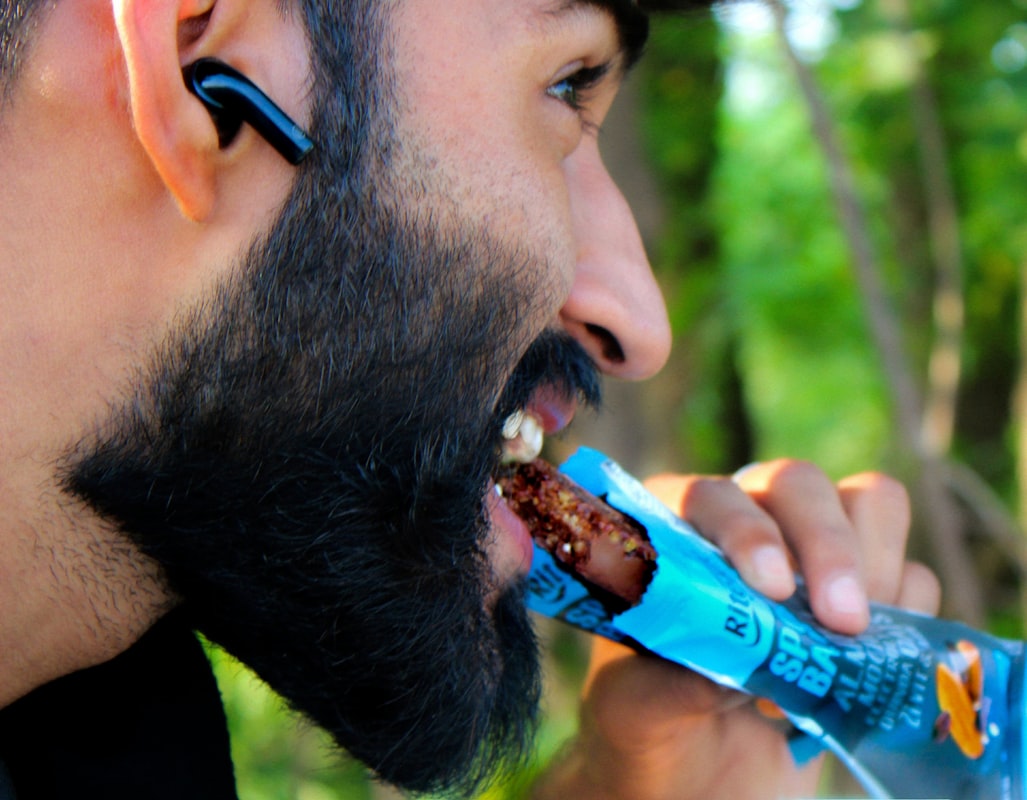
Pre-Workout Nutrition Breakdown
What you eat before exercise directly impacts your energy levels, endurance, and mental focus. The timing and composition of your pre-workout meal should depend on your activity type and intensity.
2-3 Hours Before
Eat a balanced meal with carbohydrates, lean protein, and healthy fats. Examples include chicken with brown rice and vegetables, or salmon with sweet potato and greens.
30-60 Minutes Before
Choose easily digestible carbohydrates and minimal fibre. A banana with almond butter, oatmeal with berries, or toast with honey work well for most athletes.
Hydration Timing
Drink 400-600ml of water 2-3 hours before exercise, then 200-300ml about 20 minutes prior. This ensures optimal hydration without discomfort.
Essential Nutrients for Active Bodies
Beyond calories, these micronutrients and macronutrients are crucial for athletes at all levels.
Carbohydrates
Fuel for Performance
Carbs are your primary energy source during high-intensity exercise. Complex carbohydrates like oats, brown rice, and whole grain bread provide sustained energy without blood sugar spikes.
Proteins
Muscle Building & Repair
Amino acids repair muscle damage from training and support strength gains. Include lean meats, fish, legumes, eggs, and dairy in every meal for optimal recovery.
Healthy Fats
Energy & Recovery
Unsaturated fats from avocados, nuts, seeds, and olive oil support joint health, hormone production, and nutrient absorption.
Vitamins & Minerals
Essential Cofactors
Iron supports oxygen transport, magnesium aids muscle function, and B vitamins enable energy metabolism. Colourful fruits and vegetables are your best sources.
Electrolytes
Hydration Support
Sodium, potassium, and calcium regulate fluid balance and muscle contractions. Lost through sweat, they must be replenished during and after intense or prolonged activity.
Antioxidants
Inflammation Support
Vitamins C and E, selenium, and plant polyphenols help manage oxidative stress from intense training. Berries, dark leafy greens, and green tea are excellent sources.
Common Nutrition Questions Answered
Get answers to questions our community asks most frequently about active nutrition.
Most active individuals benefit from 1.2 to 2.0 grams of protein per kilogram of body weight per day, depending on the type and intensity of exercise. Endurance athletes typically need 1.2-1.4g/kg, while strength-focused athletes aim for 1.6-2.0g/kg. This should be spread across 4-5 meals throughout the day for optimal muscle protein synthesis.
Post-workout nutrition should include both carbohydrates and protein within 30-60 minutes of finishing exercise. A good ratio is 3:1 to 4:1 carbs to protein (e.g., 30-40g carbs with 10-15g protein). Examples include Greek yogurt with berries, a turkey sandwich, chocolate milk, or a smoothie with banana and protein powder. This combination replenishes glycogen and initiates muscle repair.
General guidance suggests 400-600ml of fluid every hour during moderate exercise, adjusted for sweat rate and climate conditions. A practical approach: drink small amounts (100-150ml) every 10-15 minutes during intense activity to maintain hydration without discomfort. For exercise lasting over 90 minutes, include carbohydrates and electrolytes in your drink (6-8% carbohydrate solution).
Yes, breakfast fuels your workout and improves performance. Eat 1-2 hours before morning exercise if possible. Include easily digestible carbohydrates like oatmeal, toast, or fruit, plus a small amount of protein. If time is tight, a banana or small smoothie 30 minutes before is better than nothing. Fasted workouts can reduce energy and strength, especially for intense or long sessions.
Nutrition is foundational but works best alongside consistent training and adequate recovery. Studies show that optimised nutrition can improve performance by 5-10% when training is already in place. Focus on whole foods, proper meal timing, and individual hydration needs. Combined with smart training, sleep, and stress management, nutrition becomes a powerful tool for achieving your athletic goals.
Different activities have different fuel needs. Endurance sports (running, cycling) require higher carbohydrate emphasis. Strength training benefits from higher protein with moderate carbs. High-intensity interval training needs quick carbs and electrolyte support. The key is matching your macronutrient ratios, meal timing, and hydration strategy to your specific training. Our detailed guides can help you personalise your approach.
Your 4-Week Nutrition Transformation Plan
A practical roadmap to implementing active nutrition into your daily routine.
Week 1: Assessment & Baseline
Track your current eating patterns, energy levels, and workout performance. Note your typical daily intake of water, protein, and meals. Identify breakfast and pre-workout habits. This week establishes your starting point and helps you spot patterns.
Action: Keep a simple food and energy journal. Record what you eat, when you exercise, and how you feel during and after workouts.
Week 2: Hydration Foundation
Establish a consistent water intake routine. Aim for 2.5-3.5 litres daily, adjusting for your activity level and climate. Start drinking 400ml two hours before workouts and 200ml 20 minutes before. This simple change often improves energy and reduces fatigue.
Action: Use a water bottle with time markers or set phone reminders. Track hydration alongside workout performance.
Week 3: Meal Timing Optimisation
Implement strategic pre- and post-workout nutrition. Choose a pre-workout option based on your exercise timing (banana 30 mins before or oatmeal 2 hours before). After training, combine carbs and protein within 60 minutes. Notice changes in energy, recovery, and performance.
Action: Plan 3 pre-workout snacks and 3 post-workout meals you enjoy. Stick to timing even on rest days to build consistency.
Week 4: Integration & Refinement
Consolidate your new habits and fine-tune based on how you feel. Assess protein intake across all meals, add variety to fuel sources, and adjust portion sizes for your goals. By now, you should notice improved workout quality, faster recovery, and sustained energy.
Action: Review your journal. Keep what works, adjust what doesn't. Plan sustainable long-term nutrition strategies.
Athlete Success Stories
Real experiences from our community members who transformed their performance through nutrition.
"I was always exhausted by the end of my training sessions. Once I started eating a proper pre-workout meal and drinking enough water, my energy levels transformed. I can now complete harder workouts and recover faster. The nutrition tips here actually work and aren't complicated to follow."
Sarah Chen
Marathon Runner, Manchester
"As someone training for powerlifting, I needed proper protein timing and carb loading. The content here helped me understand why meal timing matters for strength gains. I've noticed better lifts and quicker recovery between sessions. Really practical advice without fluff."
James Mitchell
Strength Athlete, Liverpool